Spotlight: Best Kept Secrets to Healthy Aging – Vitamins, Minerals and Longevity

This is part of our ongoing The Best Kept Secrets to Healthy Aging spotlight. Each day, we will be posting some of the great information that’s packed into our book, The Best Kept Secrets to Healthy Aging.

Today’s topic:
Vitamins, Minerals and Longevity

-Antioxidant Vitamins and Minerals

The antioxidant mineral, selenium, and antioxidant carotenoids (especially ß-carotene, lutein, lycopene, zeaxanthin and B-cryptoxanthin) have been shown to increase your chances of living longer. The results of a study published recently in the Journal of Nutrition clearly showed just that – women with the most selenium and carotenoids in their bodies tended to live the longest.1 And since, in this respect at least, men and women are not different, the same conclusion can be applied to men. Increasingly, research is showing that sufficient antioxidants in the body that quench potentially harmful free radicals promote health and longevity.

Next Best Kept Secrets to Healthy Aging topic:
Vitamins, Minerals and the Brain

References:
1. Ray AL, Semba RD, Walston J, Ferrucci L, Cappola AR, Ricks MO, Xue QL, Fried LP. Low serum selenium and total carotenoids predict mortality among older women living in the community: The Women’s Health and Aging Studies. J Nutr 2006;136:172-176.

Spotlight: Best Kept Secrets to Healthy Aging – Vitamins and Minerals – Helping Hands of Health

This is part of our ongoing The Best Kept Secrets to Healthy Aging spotlight. Each day, we will be posting some of the great information that’s packed into our book, The Best Kept Secrets to Healthy Aging.

Today’s topic:
Vitamins and Minerals – Helping Hands of Health

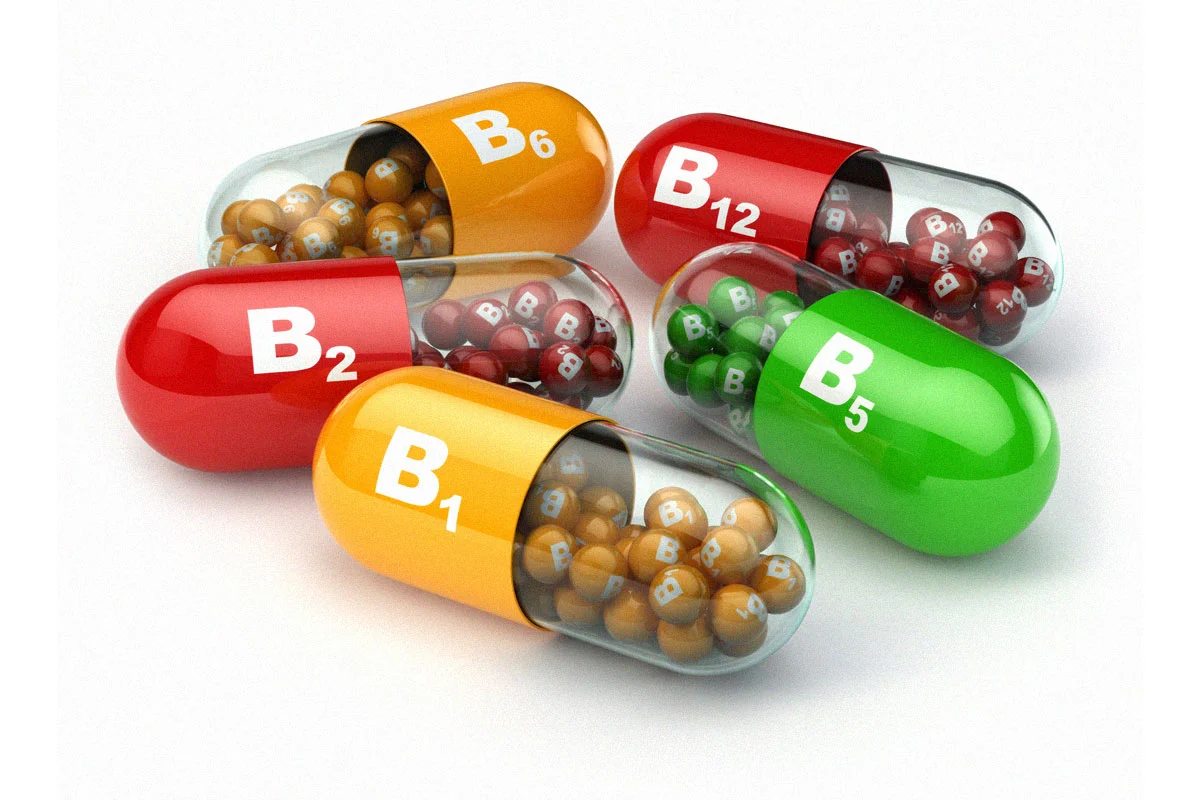
The vitamins and essential minerals are just that – essential. They must be part of the diet every day, day after day, year after year. Long-term failure to include enough of even one vitamin or essential mineral from the diet will cause disease, cell death and tissue degeneration. Eventually, the entire body will begin to die. Obviously, this is not a scenario consistent with the goal of Healthy Aging, as deficiencies of essential minerals and vitamins are the unhealthiest way to age. In the paradigm of healthy aging, ensuring adequate intakes of these essentials is the first step. Without this essential foundation, the other pillars of healthy aging crumble fast.

By now, in this enlightened, affluent, highly-educated era, it would seem reasonable to expect that no one in the US could possibly suffer from a deficiency of a vitamin or essential mineral. Or so the US government and the American Medical Association may have you believe. Unfortunately, it just isn’t so.

According to US government data, over 90% of all adult Americans do not consume enough calcium every day to satisfy the current government-sanctioned (that is, minimal) dietary standards. The same holds true for magnesium and vitamin E. Another 75% of all US adults are deficient in copper or zinc; half are deficient in vitamin C, vitamin D or chromium; and between 10% and 15% are deficient in one or more of the B-vitamins. Amazingly, even in the face of the current epidemic of obesity, widespread nutritional deficiencies are rampant in the US. We’re eating more than ever in the history of human existence. Yet, what we’re eating more of is empty calories. Processed foods are a high percentage of the Standard American Diet (So SAD!) and these foods are devoid of many essential vitamins and minerals. So while we’re eating more, we’re not consuming enough of the essentials.



You might ask, “So what? I don’t feel unhealthy.” It’s not like we have problems with:

Gum Health (vitamin C and magnesium);
Hair Health and rough skin (B-vitamins);
Prostate Health (vitamin D, vitamin E, selenium and zinc);
Healthy Blood Sugar (chromium, magnesium and vanadium);
Bone Health (calcium, magnesium, boron, vitamin D, vitamin C, vitamin E, vitamin K);
Memory Issues (folate/folic acid, thiamin, choline, vitamin E, selenium);
Heart Health (selenium, calcium, magnesium, vitamin C, vitamin E and vitamin D);
Periodontal Health (calcium, magnesium, vitamin C and vitamin D);
Weak Immune Systems (selenium, zinc, vitamin C and vitamin D); or
Feeling Tired (B-vitamins and magnesium).

These issues are so prevalent in our population that it’s easy not to be concerned about them. The more one thinks about them, though, the more one realizes the problems they can lead to. The irony of it all is that these areas can all be supported simply by ensuring adequate intakes of essential vitamins and minerals.

In addition to the prevention of the classically recognized nutritional deficiency diseases, healthy intakes of vitamins and minerals can do the body a world of good. A few stellar examples should make the point.

Next Best Kept Secrets to Healthy Aging topic:
Vitamins, Minerals and Longevity

Spotlight: Best Kept Secrets to Healthy Aging – CoQ10 Part XI

This is part of our ongoing The Best Kept Secrets to Healthy Aging spotlight. Each day, we will be posting some of the great information that’s packed into our book, The Best Kept Secrets to Healthy Aging.

Today’s topic:
Ubiquinone or Ubiquinol?

A new form of CoQ10 has come on the market in recent years. This form is the reduced form of CoQ10 known as ubiquinol. Most CoQ10 on the market is in the oxidized ubiquinone form. While this form is adequate for most individuals for dietary supplement purposes, it may not be effective for some. When ubiquinone CoQ10 is taken in by the body, it is converted to the reduced form, ubiquinol. However, as we age our bodies lose the ability to convert rapidly between the two forms. Since ubiquinol is the reduced form, it more readily is able to scavenge free radicals and may be more effective in people over 40 or 45 years of age. Another benefit of using the ubiquinol form is that the dosage needed can be reduced since ubiquinol is already the active form of CoQ10.

Until recently, the stability of ubiquinol in capsule form was questionable and this made it difficult to manufacture an effective form of this nutrient. However, technological advancements have allowed for the manufacture of stable ubiquinol for supplemental purposes. The choice is yours. Both forms are effective and the original ubiquinone form of CoQ10 (the majority of CoQ10 on the market) is the one with the best science at this point. Most studies have used the original ubiquinone form. However, for some people, the reduced form, ubiquinol, may be more beneficial.

Next Best Kept Secrets to Healthy Aging topic:
Vitamins and Minerals – Helping Hands of Health

Introducing Purity Products Nutritional News and Insights

We just launched a brand new Purity Products website, designed to bring you all of the latest news and insights in the areas of health and nutritional supplements.

Let us know what you think! Here is the url:
http://purityproductsnews.com/

Spotlight: Best Kept Secrets to Healthy Aging – CoQ10 Part X

This is part of our ongoing The Best Kept Secrets to Healthy Aging spotlight. Each day, we will be posting some of the great information that’s packed into our book, The Best Kept Secrets to Healthy Aging.

Today’s topic:
CoQ10 Softgels Better than Tablets

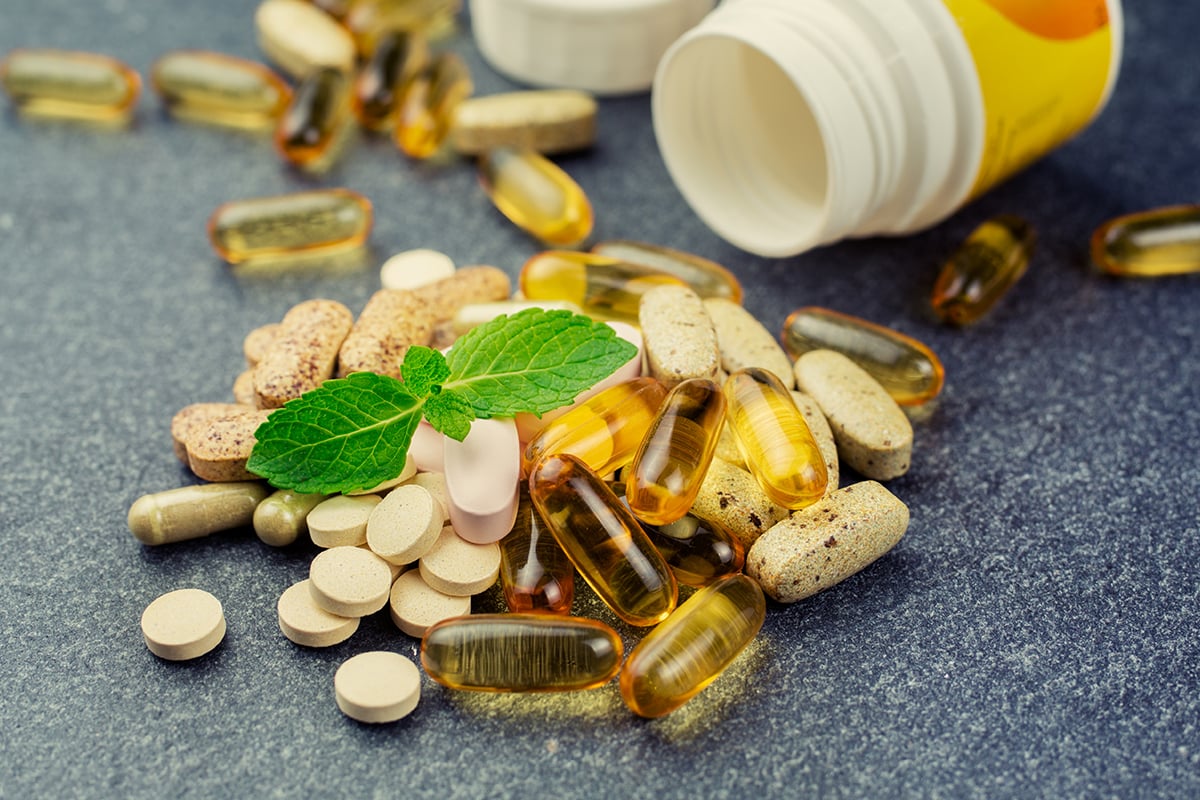
Dietary supplements are available that deliver CoQ10 in several different ways. The most common means are via tablets, hardshell powder-filled capsules or soft-shelled capsules that enclose CoQ10 in a suspension of oil. Human research has shown that CoQ10 is absorbed most efficiently and rapidly when consumed suspended within a soft-shelled capsule. Since CoQ10 is a fat-soluble nutrient, taking it in an oil matrix or with a meal containing fat is highly beneficial. Thus, when considering supplemental forms of CoQ10 “softgels” are an excellent choice.

Next Best Kept Secrets to Healthy Aging topic:
CoQ10 – Ubiquinone or Ubiquinol?

Is 5,000 IU of Vitamin D per Day Too Much?

This is the eighth part of a 15 part Vitamin D series. Dr. John J. Cannell, Executive Director of the Vitamin D Council explains why 5,000 IU of vitamin d per day isnt too much.

Order Dr. Cannell’s Advanced D here:
Purity Products Vitamin D

Spotlight: Best Kept Secrets to Healthy Aging – CoQ10 Part IX

This is part of our ongoing The Best Kept Secrets to Healthy Aging spotlight. Each day, we will be posting some of the great information that’s packed into our book, The Best Kept Secrets to Healthy Aging.

Today’s topic:
CoQ10 – CoQ10 and Cholesterol

The effectiveness of the HMG-CoA reductase inhibitor drugs, the so-called “statins,” in lowering serum cholesterol concentration cannot be denied. However, CoQ10 production and cholesterol synthesis share the same biochemical pathway. As could be predicted from these pathways in the liver effectively blocking cholesterol production can also lead to blocking CoQ10 production. Numerous studies have proven this to be the case.14,15

The results of this drug-induced mild CoQ10 deficiency is not without harm – it is associated with damage to hard-working muscles. These potentially detrimental effects have been reported in several journals.16,17 In terms of the side effects of statin therapy, published studies have found fundamental derangements in muscle cell metabolism with exposure to statins.18 Several recent reports indicate that these drugs impact the nerves that communicate with muscles in addition to affecting the mitochondria of all muscles, including the heart muscle.19,20 Depleted levels of CoQ10 could play a major role in these side effects of statin drugs.


The good news – dietary supplementation with CoQ10 may help overcome the potential interference of statin drugs with CoQ10 metabolism.21 And CoQ10 is very safe – amounts of up to 3000 mg daily are considered safe.22

Thus, if you choose to use cholesterol-lowering medication to protect your heart and circulatory system, don’t be counterproductive. Really protect yourself – supplement with CoQ10 to replenish what you lose with the use of statin drugs. Add this vital nutrient to your Healthy Heart program.
Next Best Kept Secrets to Healthy Aging topic:
CoQ10 Softgels Better than Tablets

References:
14. Rundek T, Naini A, Sacco R, Coates K, DiMauro S. Atorvastatin decreases the coenzyme Q10 level in the blood of patients at risk for cardiovascular disease and stroke. Arch Neurol 2004;61:889-892.
15. Thompson PD, Clarkson P, Karas RH. Statin-associated myopathy. JAMA 2003;289:1681-1690.
16. Tomlinson SS, Mangione KK. Potential adverse effects of statins on muscle. Phys Ther 2005;85:459-465.
17. Baker SK. Molecular clues into the pathogenesis of statin-mediated muscle toxicity. Muscle Nerve 2005;31:572-580.
18. Paiva H, Thelen KM, Van Coster R, Smet J, De Paepe B, Mattila KM, Laakso J, Lehtimaki T, von Bergmann K, Lutjohann D, Laaksonen R. High-dose statins and skeletal muscle metabolism in humans: A randomized, controlled trial. Clin Pharmacol Ther 2005;78:60-68.
19. Baker SK, Tarnopolsky MA. Statin-associated neuromyotoxicity. Drugs Today 2005;41:267-293.
20. Nawarskas JJ. HMG-CoA reductase inhibitors and coenzyme Q10. Cardiol Rev 2005;13:76-79.
21. Ferrante KL, Shefner J, Zhang H, Betensky R, O’Brien M, Yu H, Fantasia M, Taft J, Beal MF, Traynor B, Newhall K, Donofrio P, Caress J, Ashburn C, Freiberg B, O’Neill C, Paladenech C, Walker T, Pestronk A, Abrams B, Florence J, Renna R, Schierbecker J, Malkus B, Cudkowicz M. Tolerance of high-dose (3,000 mg/day) coenzyme Q10 in ALS. Neurology 2005;65:1834-1836.
22. Chopra RK, Goldman R, Sinatra ST, Bhagavan HN. Relative bioavailability of coenzyme Q10 formulations in human subjects. Intern J Vit Nutr Res 1998;68:109-113.

Spotlight: Best Kept Secrets to Healthy Aging – CoQ10 Part VIII

This is part of our ongoing The Best Kept Secrets to Healthy Aging spotlight. Each day, we will be posting some of the great information that’s packed into our book, The Best Kept Secrets to Healthy Aging.

Today’s topic:
CoQ10 – Preserver of Mitochondrial Health and Function

The “mitochondrial theory of aging” postulates that the accumulation of free radical-induced damage to mitochondrial DNA in mature cells (such as cardiomyocytes) eventually results in the production of abnormal mitochondrial proteins.9 These abnormal proteins cannot sequester and restrain free electrons as well as they should and more electrons escape to cause even more oxidative damage in an escalating vicious cycle.

In addition, because fewer free electrons reach oxygen molecules, the cell cannot produce a normal amount of energy.9 If this theory is correct, then maintaining a high level of cellular and mitochondrial CoQ10 through dietary supplementation can sustain a high degree of efficient energy metabolism within mitochondria and can make a fundamental contribution to maximal cellular health and function. As shown in recently published studies CoQ10 protects mitochondria from “runaway” free electrons – and nowhere will this contribution be as appreciated as within the human heart.10,11

As an added antioxidant benefit, CoQ10 also spares vitamin C and vitamin E. As these vitamins perform their antioxidant functions and become oxidized themselves, they are likely to be excreted in the urine – which means that each such “lost” vitamin C or vitamin E molecule must be replaced through the diet or through supplementation. Fortunately, CoQ10 is able to receive their free electrons, effectively recycling these nutrients for use as antioxidants and allowing them to continue protecting the body from oxidative damage.12,13 The free electron-carrying CoQ10 molecule then is able to transfer the electron to other antioxidant molecules, retaining the sequestration of the electron while regenerating itself.12

Next Best Kept Secrets to Healthy Aging topic:
CoQ10 – CoQ10 and Cholesterol

References:
9. enova ML, Pich MM, Biondi A, Bernacchia A, Falasca A, Bovina C, Formiggini G, Parenti Castelli G, Lenaz G. Mitochondrial production of oxygen radical species and the role of Coenzyme Q as an antioxidant. Exp Biol Med 2003;228:506-513.
10. Fernandez-Ayala DJ, Lopez-Lluch G, Garcia-Valdes M, Arroyo A, Navas P. Specificity of coenzyme Q10 for a balanced function of respiratory chain and endogenous ubiquinone biosynthesis in human cells. Biochim Biophys Acta 2005;1706:174-183.
11. Arroyo A, Navarro F, Gomez-Diaz C, Crane FL, Alcain FJ, Navas P, Villalba JM. Interactions between ascorbyl free radical and coenzyme Q at the plasma membrane. J Bioenerg Biomembr 2000;32:199-210.
12. Lass A, Sohal RS. Effect of coenzyme Q(10) and alpha-tocopherol content of mitochondria on the production of superoxide anion radicals. FASEB J 2000;14:87-94.
13. Mabuchi H, Higashikata T, Kawashiri M, Katsuda S, Mizuno M, Nohara A, Inazu A, Koizumi J, Kobayashi J. Reduction of serum ubiquinol-10 and ubiquinone-10 levels by atorvastatin in hypercholesterolemic patients. J Atheroscler Thromb 2005;12:111-119.

Ultimate Sleep Formula

I have to say that rarely have I seen the effects of one of our Purity Products so quickly and so effectively as I have found the Ultimate Sleep Formula.  Firstly, almost immediately I found that I woke up refreshed and earlier.  So I got less sleep and felt much more relaxed and refreshed than I normally did.  Isn’t that amazing?  I hate to admit it but I love sleeping.  While I don’t suffer from any kind of sleep disorders, or chronic sleep problems, I do think I need more sleep than most adults. Also,  as I have gotten older I’ve discovered that I have more trouble with waking up in the middle of the night, and when  this happens, I toss and turn and usually wind up feeling like I need to sleep more in the morning.  Since I have started taking Purity Products’ Ultimate Sleep Formula I sleep more soundly and I am telling you the feeling in the morning when my eyes open more than an hour earlier than my alarm clock is set for is just priceless.  When I am up earlier than I need to be and have an incredible feeling of a satisfying and restful sleep and the desire to get up I am astounded because it’s just not how I normally feel.  Also, if that wasn’t enough I started taking the Ultimate Sleep Formula during the day.  Would you believe that when you take it during the day, it doesn’t make you sleepy?  It helps me feel really relaxed but at the same time alert and focused.  I even feel that it enhances my mood.  All of the results I have personally found are supported by the research behind this product as well.  I highly recommend you trying this product.  I am curious to hear what others think about this really wonderful new product. – Sabrina Levin

Spotlight: Best Kept Secrets to Healthy Aging – CoQ10 Part VII

This is part of our ongoing The Best Kept Secrets to Healthy Aging spotlight. Each day, we will be posting some of the great information that’s packed into our book, The Best Kept Secrets to Healthy Aging.

Today’s topic:
CoQ10 – Super Antioxidant

We touched on some of the antioxidant effects of CoQ10 earlier. Research suggests that CoQ10 has superior antioxidant properties and works in a broad range of environments. It is a powerful and effective protector of lipids, low-density lipoproteins, proteins and DNA from oxidation. For example, increasing the CoQ10 content of rat heart muscle cells and brain neurons through the diet reduces the ability of free electrons to cause oxidative damage to those cells. A study published recently in Neurobiology of Disease has shown that CoQ10 also protects human neurons.8 This protective property of CoQ10 provides firm scientific evidence that dietary supplementation with this nutrient can increase the resistance of mitochondrial membranes, proteins and DNA to oxidative damage, especially in the tissues that are the most sensitive to such damage.9

Next Best Kept Secrets to Healthy Aging topic:
CoQ10 – Preserver of Mitochondrial Health and Function

References:
8. Huertas JR, Martinez-Velasco E, Ibanez S, Lopez-Frias M, Ochoa JJ, Quiles J, Parenti Castelli G, Mataix J, Lenaz G. Virgin olive oil and coenzyme Q10 protect heart mitochondria from peroxidative damage during aging. Biofactors 1999;9:337-343.
9. enova ML, Pich MM, Biondi A, Bernacchia A, Falasca A, Bovina C, Formiggini G, Parenti Castelli G, Lenaz G. Mitochondrial production of oxygen radical species and the role of Coenzyme Q as an antioxidant. Exp Biol Med 2003;228:506-513.